
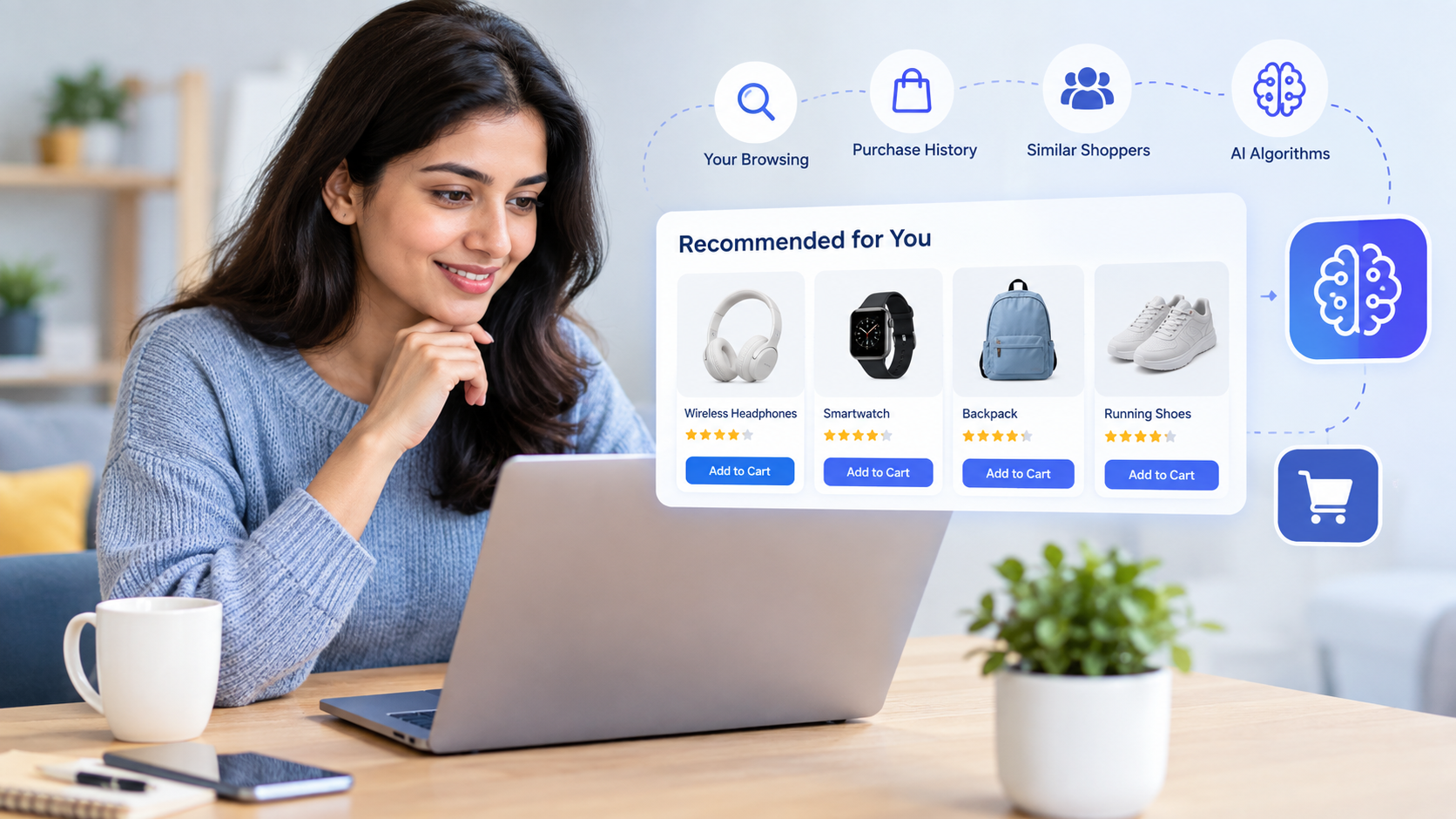
Ever added a pair of shoes to your cart, only to see matching socks pop up minutes later? Or opened your inbox to find an email about the exact product you were just browsing? This isn’t coincidence — it’s the result of sophisticated systems working behind the scenes. Understanding how e-commerce sites predict your next purchase reveals just how deeply data, AI, and behavioral analysis now shape the online shopping experience.
Modern retailers don’t wait for you to search for what you need. Instead, they analyze patterns in your behavior to anticipate it. This article breaks down exactly how that process works, why it benefits both businesses and shoppers, and what concerns it raises around privacy and accuracy.
The Data Behind Every Recommendation
Every click, scroll, and pause on a product page generates a small piece of information. On their own, these signals seem trivial. Combined and analyzed at scale, they form a detailed picture of customer intent.
Browsing History and Search Behavior
When you browse a category repeatedly or search for specific terms, e-commerce platforms log that activity. Over time, this reveals patterns — perhaps you gravitate toward a particular brand, price range, or product style. Search behavior is especially valuable because it reflects explicit intent rather than passive interest.
Purchase History
Past purchases remain one of the strongest predictors of future buying. A customer who regularly orders skincare products, for instance, is likely to respond well to recommendations for complementary items or restocking reminders when a product is due to run out.
Clicks and Product Interactions
Which images did you zoom into? Which reviews did you read? Did you compare two similar products before leaving the page? These micro-interactions help platforms gauge how seriously you’re considering an item, not just whether you viewed it.
Cart Activity
Adding an item to your cart — even without completing the purchase — is a strong behavioral signal. Abandoned carts often trigger follow-up emails or discount offers, since the system recognizes genuine purchase intent that simply wasn’t finalized.
Customer Preferences and Demographics
Account details, saved preferences, wish lists, and even general location data help refine predictions further, allowing platforms to tailor results to relevant seasons, regional trends, or stated interests.
How AI and Machine Learning Turn Data Into Predictions
Collecting data is only the first step. The real transformation happens through AI in e-commerce and machine learning in e-commerce, which convert raw behavioral signals into actionable insights.
Predictive Analytics in Action
Predictive analytics works by identifying patterns across millions of data points and comparing them to the behavior of similar customers. If shoppers who bought Product A frequently go on to buy Product B within two weeks, the system learns to anticipate that same behavior in new customers showing similar patterns.
This is the foundation of purchase prediction — using historical and real-time data to estimate what a specific customer is likely to want next, rather than showing generic, one-size-fits-all suggestions.
Recommendation Engines
Recommendation engines are the visible output of this analysis. They typically rely on a mix of approaches:
- Collaborative filtering — recommending products based on what similar customers purchased or viewed.
- Content-based filtering — suggesting items similar to ones you’ve already shown interest in, based on product attributes.
- Hybrid models — combining both approaches for more accurate, well-rounded suggestions.
These engines continuously refine themselves. As you interact with more recommendations, the system learns whether its guesses were accurate and adjusts accordingly.
Customer Behavior Analysis at Scale
Customer behavior analysis isn’t limited to individual shoppers. Platforms also study broader trends — seasonal demand shifts, regional buying patterns, and how different customer segments respond to promotions. This macro-level analysis helps businesses fine-tune everything from homepage layouts to marketing calendars.
Where Personalization Shows Up in Your Shopping Experience
E-commerce personalization touches far more of the customer journey than most shoppers realize.
Product Recommendations
The most familiar example is the “You might also like” or “Customers also bought” section. These product recommendations are generated in real time, adjusting based on your most recent activity rather than relying on static rules.
Personalized Email Marketing
Retailers use purchase and browsing data to send targeted emails — restock reminders, personalized discounts on items you viewed, or curated product roundups based on your history. This approach tends to be more relevant than generic mass campaigns, since it’s built around actual demonstrated interest.
Dynamic Offers and Discounts
Some platforms use predictive models to time offers strategically — for example, sending a discount just as a customer’s interest in a product appears to be fading, based on decreasing engagement signals.
Inventory and Demand Planning
Prediction isn’t only customer-facing. Businesses use the same behavioral data to forecast demand, helping them stock popular items appropriately and reduce excess inventory on products with declining interest.
Customer Retention Strategies
By identifying customers whose engagement is dropping, businesses can proactively re-engage them with tailored incentives — a loyalty reward, a personalized recommendation, or a well-timed reminder — before they churn entirely.
Benefits for Businesses and Customers
For businesses, the advantages are clear:
- Higher conversion rates through more relevant recommendations
- Improved customer retention and lifetime value
- More efficient inventory and marketing spend
- Better understanding of evolving customer needs
For customers, the benefits are often underappreciated:
- Faster, easier discovery of relevant products
- Fewer irrelevant ads and promotions
- Timely reminders for items they actually need
- A more streamlined, less overwhelming shopping experience
When done well, prediction reduces friction for everyone involved — customers find what they want faster, and businesses spend less effort marketing to uninterested audiences.
The Privacy and Accuracy Trade-Offs
Despite its benefits, predictive personalization raises legitimate concerns that shoppers and businesses alike should understand.
Data Collection and Transparency
Predictive systems depend on continuous data collection, which understandably makes some customers uneasy. Reputable platforms address this through clear privacy policies, opt-in consent for tracking, and accessible settings that let users control what data is collected and how it’s used.
Security Considerations
Because these systems handle sensitive behavioral and purchase data, robust security measures are essential. Encryption, secure data storage, and limited internal access all help protect customer information from misuse or breaches.
Limitations of Predictive Algorithms
Predictive models aren’t infallible. They can:
- Misinterpret one-time purchases (like gifts) as ongoing interests
- Create “filter bubbles” that limit exposure to new or different products
- Struggle with new customers who have little to no behavioral history
- Occasionally feel intrusive if personalization is too aggressive or poorly timed
Recognizing these limitations is important — predictive analytics is a powerful tool, not a perfect science. The best systems are designed to balance relevance with respect for user comfort and choice.
Final Thoughts
Understanding how e-commerce sites predict your next purchase demystifies what can otherwise feel like an almost intuitive shopping experience. Behind every well-timed recommendation or helpful reminder is a combination of browsing data, purchase history, AI-driven analysis, and carefully built recommendation engines working together.
For businesses, this technology offers a genuine competitive edge — but only when paired with transparency and responsible data practices. For customers, it can mean a smoother, more relevant shopping journey, provided privacy remains a priority. As machine learning in e-commerce continues to evolve, the platforms that balance smart prediction with customer trust will be the ones that earn long-term loyalty.
Leave a Reply