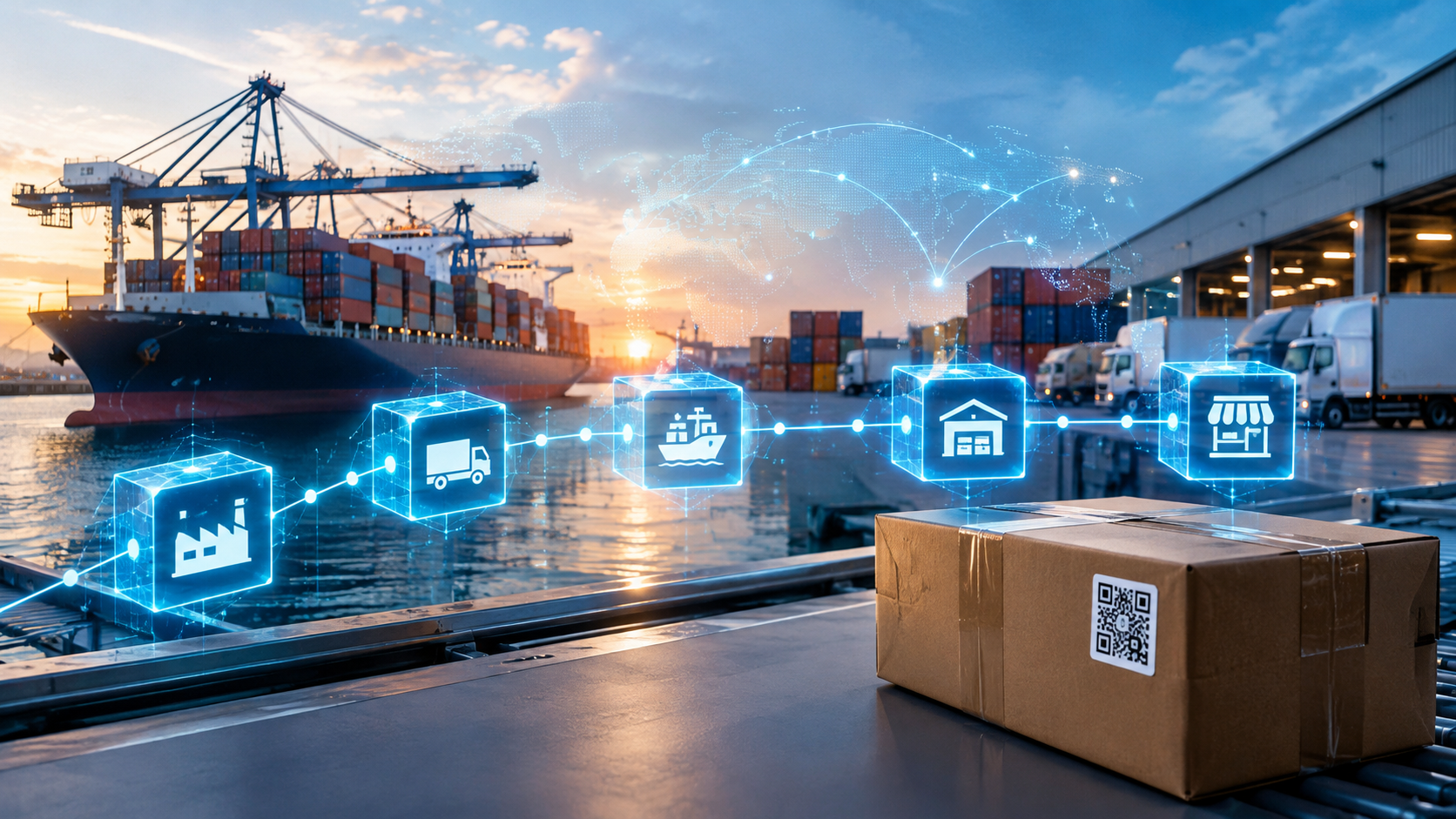
Public perception of blockchain was long tied almost exclusively to speculative cryptocurrency trading. While Bitcoin introduced decentralized digital cash, the underlying architecture represents something far more foundational: a tamper-resistant, distributed database that enables independent organizations to verify records without relying on a central authority. As enterprises look past speculation, global supply chain management has emerged as one of the most compelling proving grounds for distributed ledger technology.
Modern commercial supply chains are complex, fragile, and opaque. A single retail product often traverses dozens of suppliers, freight carriers, customs checkpoints, and distribution centers before reaching consumers. Traditional tracking relies on disconnected ERP databases, spreadsheets, and paper records. These fragmented records invite inventory shrinkage, counterfeit intrusion, and delayed dispute settlements.
By establishing a shared, verifiable source of truth, blockchain bridges these operational gaps. This guide explores how distributed ledgers operate in supply chains, evaluates key applications, and analyzes the practical benefits and challenges of enterprise adoption.
Understanding Blockchain Technology in Logistics
At its core, a blockchain is a decentralized, distributed digital ledger shared across an authorized network of computers, referred to as nodes. Whenever a commercial transaction or custody handoff occurs—such as a producer harvesting agricultural goods or a carrier loading freight—the event is timestamped, digitally signed, and grouped into a cryptographic block.
Once validated through network consensus, this block links sequentially to preceding blocks using cryptographic hashes, forming an unalterable chronological chain. In enterprise supply chains, organizations deploy permissioned (consortium) blockchains. This architecture allows partners to share verified operational visibility while preserving commercial confidentiality, ensuring sensitive pricing structures and supplier agreements remain protected.
As enterprises evaluate digital transformation alongside automation and IoT sensors, as detailed in our analysis of emerging enterprise technologies, blockchain acts as the foundational trust layer uniting physical and digital logistics systems.
Key Features That Make Blockchain Ideal for Supply Chains
Several architectural characteristics distinguish blockchain from conventional centralized logistics databases:
- Decentralization: Instead of forcing suppliers, carriers, and retailers to rely on a single vendor’s database, the ledger is distributed across all authorized participants, preventing unilateral control.
- Operational Transparency: Authorized network participants maintain synchronized visibility into shipment status and custody handoffs in near real-time, eliminating operational blind spots.
- Cryptographic Immutability: Once data is written to the ledger, it cannot be modified or deleted retroactively, creating a permanent audit trail that prevents fraud and administrative tampering.
- Enterprise Security: Cryptographic algorithms secure data transactions, authenticating user identities while protecting commercial records from external cyber threats and unauthorized access.
Core Applications of Blockchain in Supply Chain Management
Applying distributed ledgers to logistics workflows transforms operational friction into competitive advantage across multiple phases.

1. Enhanced Transparency and Provenance Verification
Counterfeiting poses an enormous threat to global trade, particularly within luxury goods, electronics, automotive components, and pharmaceuticals. In a blockchain workflow, manufacturers generate a unique digital identifier—such as an encrypted QR code, RFID tag, or NFC chip—for each physical product batch at the source.
Every subsequent transfer, inspection, and warehouse handoff is recorded directly onto the shared ledger. Retailers and consumers can scan a product’s digital passport to verify its origin, component authenticity, and compliance certifications. In pharmaceuticals, this unbroken custody trail blocks counterfeit medications from entering retail channels.
2. End-to-End Traceability and Cold Chain Monitoring
Supply chain traceability becomes critical during product recalls, especially within food and beverage logistics. In conventional logistics, isolating contaminated produce during an outbreak takes weeks of manual reviews, often forcing unnecessary inventory disposal.
With blockchain, logistics managers trace a product batch from retail shelves back to the specific farm plot in seconds. Furthermore, integrating Internet of Things (IoT) sensors directly with the ledger enables automated cold-chain monitoring. Temperature and humidity sensors log real-time telemetry into the blockchain during transit. If a refrigerated container experiences temperature spikes while transporting perishable food or vaccines, the immutable log identifies the exact timestamp and carrier, preventing compromised inventory from reaching consumers.
3. Process Automation and Inventory Tracking Through Smart Contracts
Smart contracts are self-executing software programs deployed on the blockchain that trigger predefined actions automatically when specified conditions are verified. In logistics, smart contracts eliminate manual paperwork and administrative delays.
For example, when an IoT sensor confirms that cargo has arrived at a port and customs clearances are digitally verified, a smart contract can automatically release inventory holds, update ERP warehouse balances, and issue delivery instructions to regional carriers. This automated coordination prevents port demurrage penalties, cuts bottlenecks, and eliminates data entry errors.
4. Streamlining Supply Chain Finance and Vendor Settlements
Cash flow friction frequently strains relationships between suppliers and buyers. In traditional cross-border trade, suppliers often wait 60 to 90 days after delivery to receive payment due to manual invoice reconciliation, missing documentation, and dispute resolutions.
Blockchain transforms trade finance by establishing a single verified record of delivery milestones. Once delivery is confirmed through digital signatures and sensor data, smart contracts trigger instant payment settlements or invoice factoring approvals. Financial institutions extend credit to suppliers at lower rates because the underlying inventory and invoices are cryptographically verified, reducing financing risk and strengthening supply chain resilience.
Overcoming Adoption Challenges: Scalability, Oracles, and Integration
Despite its significant potential, enterprise blockchain implementation faces practical challenges that organizations must navigate:
- The Oracle Problem: Blockchain guarantees that recorded data cannot be altered, but it cannot verify whether the initial physical input was accurate. If an operator scans the wrong barcode or enters false weight data, that inaccurate data remains permanently on the ledger. Solving this requires combining blockchain with automated IoT sensors and computer vision systems.
- Interoperability and Ecosystem Standardization: Global logistics relies on thousands of independent companies running disparate ERP platforms like SAP, Oracle, and Microsoft Dynamics. Establishing universal data standards across competing blockchain consortia remains an ongoing industry hurdle.
- Implementation Costs and Legacy Resistance: Transitioning legacy supply chains to distributed architecture requires capital investment, employee training, and cross-company governance agreements. Smaller tier-two and tier-three suppliers often require financial and technical support from primary enterprise buyers to participate effectively.
Conclusion
Blockchain technology has decisively transcended its cryptocurrency origins, emerging as a foundational architecture for modern enterprise logistics. By replacing siloed records with an immutable, transparent, and collaborative digital ledger, organizations gain unprecedented visibility into product provenance, inventory velocity, and trade compliance.
While challenges surrounding interoperability and technical onboarding persist, the operational gains—ranging from rapid recall execution to automated trade financing—make distributed ledger adoption an imperative for forward-looking logistics leaders. As integration with IoT sensors and automated smart contracts deepens, blockchain will serve as the invisible backbone of resilient, accountable, and transparent global trade.
Frequently Asked Questions (FAQs)
1. How does blockchain ensure the security of supply chain data?
Blockchain secures supply chain data through cryptographic hashing, digital signatures, and decentralized consensus. Data recorded on the ledger cannot be altered or deleted, making records tamper-proof and resilient against unauthorized modifications.
2. Can blockchain help prevent counterfeit products in the supply chain?
Yes. By assigning unique digital identifiers (such as secure QR codes or RFID tags) to products at the source, blockchain creates an unbroken chain of custody that lets retailers and consumers verify authenticity and detect counterfeit goods immediately.
3. How do smart contracts improve supply chain efficiency?
Smart contracts execute predefined rules automatically upon verification of specific criteria, such as releasing vendor payments or customs clearances when cargo arrives, reducing administrative delays and intermediary costs.
4. Is blockchain technology practical for smaller businesses?
Yes. Cloud-hosted blockchain-as-a-service (BaaS) platforms and standardized consortium networks allow smaller suppliers to participate without building proprietary infrastructure, enabling seamless data sharing with enterprise partners.
5. Which industries benefit most from blockchain supply chain tracking?
Industries prioritizing product safety and provenance verification—such as food and agriculture, pharmaceuticals, luxury goods, aerospace, and electronics—gain the highest immediate returns from blockchain implementation.
Leave a Reply